⚠️ Note to the reader: this article (and website) discusses male violence towards women including rape; the author recognises that all genders are capable of harm, and that all genders can experience harm. You can read more about the ethos of this website and the terms of use.
A common reply, when trying to have a conversation about male violence against women, is “but surely we’ve come a long way”. Some assert women’s rights have gone far enough, while others even suggest “feminism” – the call for equity – has gone too far.
History provides an interesting insight into the progress we’ve actually made, and possibly even how far we still have to go. So let’s take a look:
1. Seeking refuge
In 1895, a City of London bylaw appears to make it illegal for a man to hit his wife between the hours of 10pm and 7am – not for her sake, but because the noise from the violence was keeping neighbours awake.
Why didn’t she “just leave”? In the book, The Five, Hallie Rubenhold explains that when a woman was being subjected to domestic abuse, she often had no option but to go with her children to the workhouse.
These were not pleasant places of refuge or respite.
As well as being scrubbed on arrival in the same water as others had been all day, the woman would potentially be separated from her children if they were older than 7 years old – all were put to work. But before she could even be admitted, the woman had to be able to unequivocally prove that she was being harmed and wasn’t going to be a drain on the state.
Rubenhold explains, that in the 1876 Handbook for Guardians of the Poor, the advice to the onsite officers, was “to make a thorough investigation into such a woman’s circumstances before permitting her to become the object of sympathy”. And if, on speaking to her husband to “verify her story”, he simply said she was a liar or a drunk, she’d be sent away to live on the streets.
Sound familiar? In 2021, the charity St Mungo’s reported that 35% of women they worked with, who had slept rough, left home to escape violence. In 2025, the latest research found that the number of women sleeping rough has been dramatically underestimated.*.

Common tropes that women should “just leave” (or report) are also still pervasive today. Court delays alone, never mind the traumatisation that occurs in the criminal justice system, as well as limited access to funds, are enough to put women off today.
While by Victorian England, wives could “no longer be kept locked up or sold into prostitution” by their husbands, and “life-threatening beatings” were considered grounds for divorce, it wasn’t until 1966, that New York became the first US state to adopt the same grounds – though wives had to show that “a sufficient number of beatings” had taken place.**.
2. Money
The Married Women’s Property Act was passed in 1870. This initial act allowed women to keep their earnings and some property acquired after marriage as their own.
However, it wasn’t until The Equal Franchise Act of 1928 granted equal voting rights to women and men that both women and men could vote at the age of 21. The first general election that women were allowed to vote in was 1918, but only if they were over the age of 30 and were “householders, the wives of householders, occupiers of property with an annual rent of £5, and graduates of British Universities…”
Until The Sex Discrimination Act was passed in 1975 though, British women did not have the right to open a bank account, have a credit card, or take out a loan (including a mortgage) in their own name.
3. Health
In the UK, women gained widespread access to contraception through the National Health Service (NHS) in 1967. The act enabled local health authorities to provide family planning advice and services to a wider population, previously limited to women whose health was at risk from pregnancy. The contraceptive pill was introduced in 1961, but a 1967 act made it more readily available through the NHS.
However, abortion is only legal in the UK if certain conditions are met; a woman still doesn’t have full autonomy of her body, or health choices particularly in early pregnancy. In certain parts of America, it’s reported that the termination of pregnancy is also illegal, apparently regardless of the circumstances.
4. The Law
In England and Wales, marital rape became a crime in 1991. Prior to this, consent for sexual intercourse was considered “implicit in the marriage contract.”
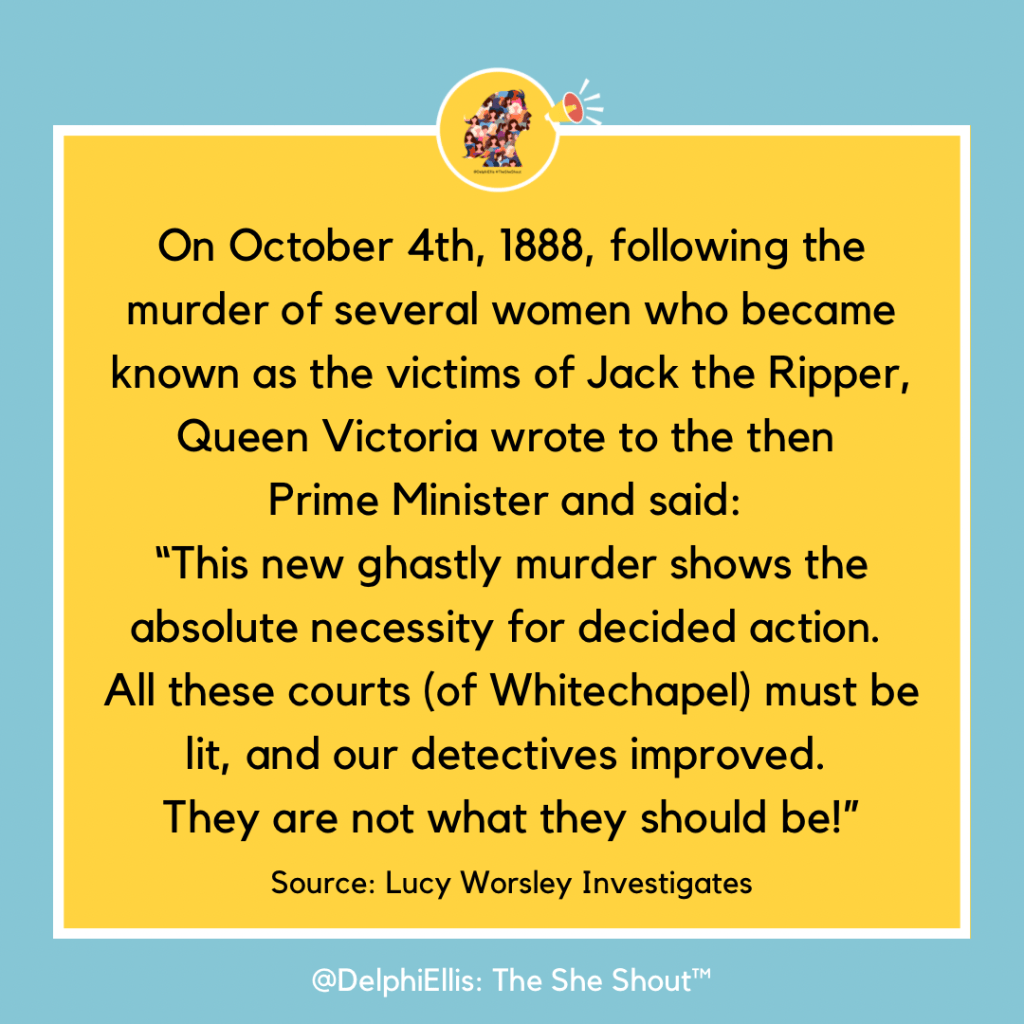
Coercive control became a criminal offence within an intimate or family relationship under Section 76 of the Serious Crime Act 2015. However, there is still a general lack of awareness of what constitutes coercive behaviour (even among some professionals), including manipulation (such as creating feelings of guilt to exploit a response), gaslighting (designed to confuse someone and what they know to be true), isolating a woman from her family and friends, and making her do things she doesn’t want to do in any capacity, from financially to sexually.
But the challenges don’t end there. A law even then had to be created that made the act of taking a sexually intrusive photograph up someone’s skirt without their permission; this came into effect under The Voyeurism (Offences) Act 2019.
The Domestic Abuse Act came in to effect in 2021. The Act establishes a legal definition of domestic abuse, clarifying that it encompasses more than just physical violence, including emotional, coercive, controlling, and economic abuse. It includes offences such as stranguIation and threatening to share explicit photographs.
5. Societal Attitudes
Some people may well consider this “progress”, but it begs the question whether societal and decision maker attitudes today about men’s violence really have changed, or if we’re actually regressing. Recent studies. regarding the prevalence of misogyny in online spaces would suggest the latter is the case.
While in some quarters, there may have been a shift in terms of placing the responsibility on the harm doer, in other parts of society (and “institutions”) a culture of victim blaming still exists, and one that may even collude with the perpetrator.
Nothing changes if nothing changes; if we want something different we have to do something different. The She Shout™ (and affiliated The She Course™) asserts that change starts with acknowledging there’s a problem, and expanding ideas around masculinity and – what it really means to “be a man” – rejecting dominance-based behaviours, that seek power and control. Because in the end, male violence hurts everyone, men included.
© Copyright The She Shout™ 2025 | Please read these terms of use.
Sources include:
- *St Mungos https://www.mungos.org/st-mungos-comments-on-publication-of-womens-rough-sleeping-census/
- **Domestic Violence Services Network
- ***Centre for Women’s Justice
 The She Shout ™
You must be logged in to post a comment.